Why regrinding matters
A quality solid carbide end mill, drill or reamer has not reached the end of its life just because its cutting edges are worn. The body, shank and helix are usually still sound; only the cutting edges and the tip area are worn. Carbide tool regrinding, done at the right time and in the right way, gives the tool a new service life and can noticeably ease the tooling budget. How much you gain, however, depends directly on when the tool comes off the machine and how the regrind is done.
When should a carbide tool be reground? Signs of wear
The most common mistake is running a tool until it breaks or scraps a part. As wear progresses, cutting forces and heat rise; past a certain point wear accelerates and the edge starts to chip. At that stage far more material must be removed during regrinding, and sometimes the tool can no longer be reground at all. These signs tell you it is time to regrind:
- a clearly widening flank wear land, visible to the eye or under a magnifier,
- deteriorating surface finish or increasing burr formation,
- size drift: hole diameter or wall thickness moving towards the tolerance limit,
- rising spindle load, noise or vibration,
- small chips on the cutting edge or built-up edge.
A practical tip: in series production, record tool life as a part count or cutting time and change the tool at a fixed interval, before visible damage occurs. Less material then has to be removed and the tool can be reground more times.
How many times can a carbide end mill or drill be reground?
There is no single correct number. It depends on the tool diameter, the length of cut, how far wear has progressed and the tool type. The general logic is:
- End mills: regrinding the peripheral edges reduces the diameter; regrinding only the end face keeps the diameter but shortens the tool. For size-critical work, the reground diameter should be measured and marked, and the tool offset in the CNC program updated.
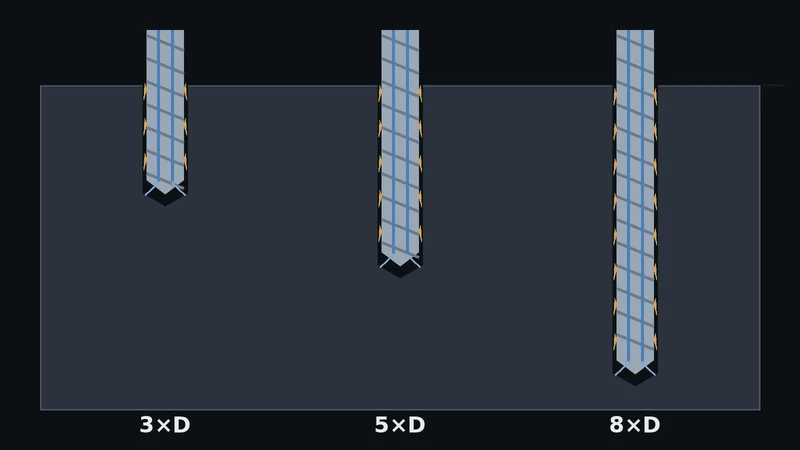
- Drills: usually only the point is reground; each regrind shortens the tool while the diameter stays the same. Point angle, cutting lips and web thinning must be reground to the original geometry.
- Reamers: because the diameter tolerance is very tight, regrinding is usually limited to the entry chamfer and the front.
Larger and longer tools can usually be reground more often; small-diameter tools have a limited regrind allowance. A tool sent for regrinding early always offers more regrinds than one sent late.
How professional regrinding is done
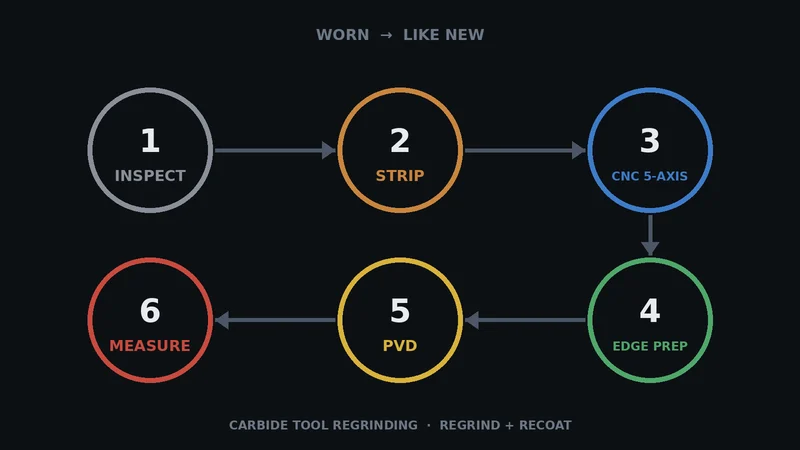
Regrinding is not simply “sharpening” edges on a wheel. The goal is to restore the tool’s original geometry: helix angle, rake angle, clearance angles, core diameter and point angle. The steps summarised in the diagram above are:
- Incoming inspection: wear and damage are assessed to decide whether the tool can be reground.
- Coating removal (when needed): the old coating is stripped so the new one adheres well.
- CNC grinding: the geometry is regenerated on a 5-axis CNC tool grinder from the tool’s original data.
- Edge preparation: the cutting edge is rounded in a controlled way, which makes it more resistant to micro-chipping.
- Recoating: a PVD coating suited to the workpiece material is applied.
- Measurement: diameter, angles and runout are measured before the tool goes back into service.
Why recoat after regrinding?
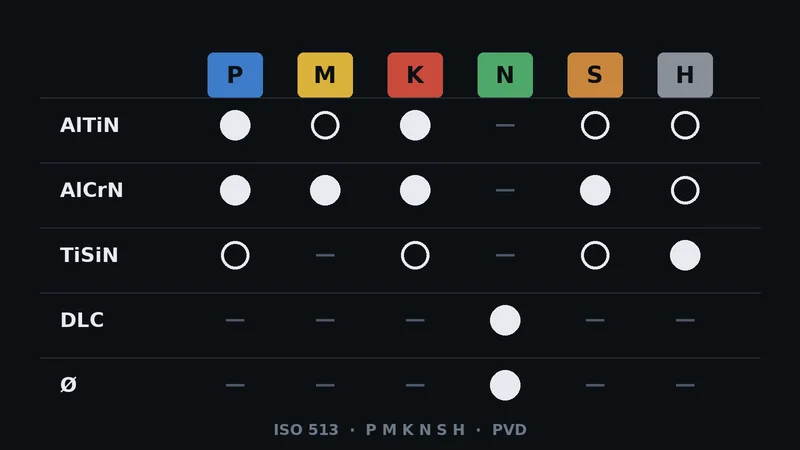
Grinding removes the coating from the ground faces and leaves bare carbide at the cutting edge. An uncoated edge will not match the original performance, especially in steel, stainless steel and hardened steel. Recoating after regrinding is therefore key to getting tool life close to that of a new tool. We explain coating selection in our article on carbide tool coatings and edge preparation in our Drag Finish article.
Regrind or buy new? The cost logic
Look at the total cost, not just the regrinding price. Regrinding usually makes sense for large-diameter or long tools, special form or step tools, tools with long lead times and tools whose wear was caught early. A new tool may be the better choice for small-diameter standard tools, broken or deeply damaged tools, or jobs where a smaller diameter after regrinding is not acceptable. In every case, measuring and documenting the reground tool is the safest way to avoid surprises in production.
Regrinding and manufacturing at Geppetto
Geppetto is a solid carbide cutting tool manufacturer in Türkiye. We produce end mills, drills and reamers on Walter Helitronic tool grinders with Tool Studio software, and we regrind tools on the same equipment. Where needed, the process includes in-house cylindrical grinding, Drag Finish edge preparation and PVD recoating, and every reground tool passes final inspection on a ZOLLER Genius 4. For details see our regrinding service; to readjust cutting data, use our cutting data calculator. International customers can send their tools for regrinding or request new standard and special carbide tools.
Conclusion
Sending tools for regrinding at regular intervals before they break, restoring the original geometry, and never skipping edge preparation and recoating are the three ground rules for getting good results from reground tools. If you would like us to assess whether your tools are suitable for regrinding, contact us: phone +90 216 394 41 10, WhatsApp +90 537 777 96 44, email info@geppetto-tr.com.
Frequently asked questions
When should a carbide tool be sent for regrinding?
When the flank wear land widens noticeably, surface finish deteriorates, dimensions approach the tolerance limit, or spindle load and vibration increase. Best practice is to change tools at fixed intervals by part count or cutting time, before they break.
How many times can a carbide end mill or drill be reground?
There is no single number; it depends on tool diameter, flute length, how far the wear has progressed and the tool type. A tool sent for regrinding early loses less material and can be reground more times.
Does an end mill's diameter change after regrinding?
Regrinding the peripheral flutes reduces the diameter; regrinding only the end face keeps the diameter and shortens the tool. For dimension-critical work, measure the new diameter and update the tool offset in the CNC program.
Why should a reground tool be recoated?
Grinding removes the coating from the ground faces and leaves bare carbide at the cutting edge. PVD recoating is key to achieving tool life close to a new tool, especially in steel, stainless and hardened materials.
Is regrinding cheaper than buying a new tool?
Regrinding usually pays off for large-diameter, long, special form or long-lead-time tools. For small-diameter standard tools, or broken and heavily damaged tools, a new tool may be the better choice.