Why internal coolant makes a difference
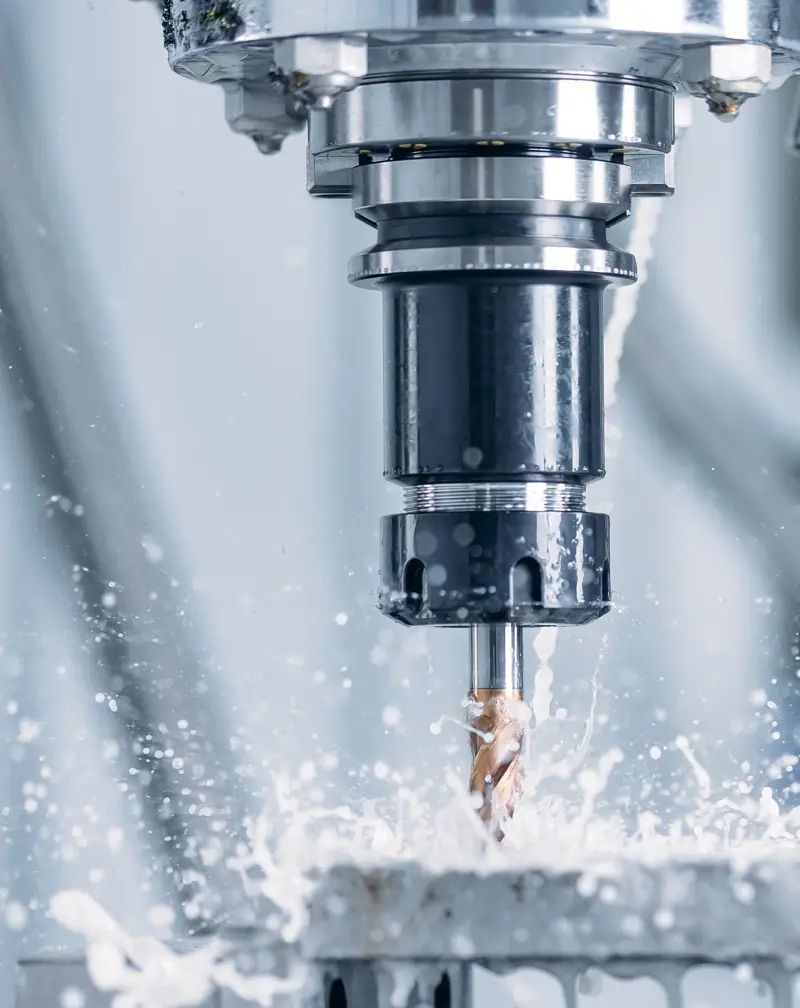
In drilling, the cutting zone sits at the tip of the tool, deep inside the workpiece. As the hole gets deeper, externally applied coolant struggles to reach the tip; chips can pack in the flutes and heat builds up at the cutting edge. In an internal coolant carbide drill, the fluid travels through channels in the tool body and exits directly at the drill point. The cutting zone is cooled and lubricated, and the chips are pushed out of the hole along the flutes.
In practice this means more stable chip evacuation, less heat-related wear, better hole quality and, in many cases, drilling the hole in one pass without a peck cycle. The difference is most noticeable in stainless steels, alloy steels and deep holes.
3xD, 5xD, 8xD: choosing by hole depth
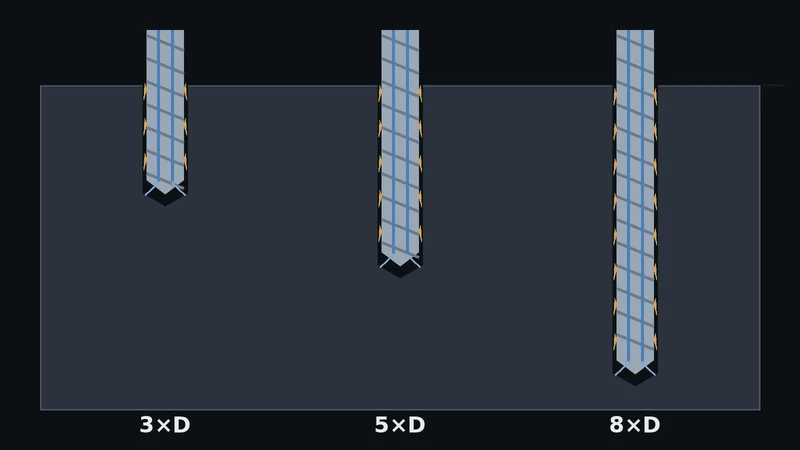
The first criterion is the ratio of hole depth to diameter (L/D). The 3xD, 5xD and 8xD labels in a catalogue indicate roughly how many times its own diameter a drill can reach in depth.
- 3xD: the most rigid option. For holes up to about three times the diameter, this length gives the highest feed and the best positional accuracy.
- 5xD: the general-purpose length for deeper holes, common in housings, flanges and fittings.
- 8xD: for deep holes. Because the tool is longer and more flexible, a pilot hole and a controlled entry and exit strategy are recommended.
The rule is simple: use the shortest drill the job allows. A tool that is longer than necessary increases vibration and deflection and shortens tool life.
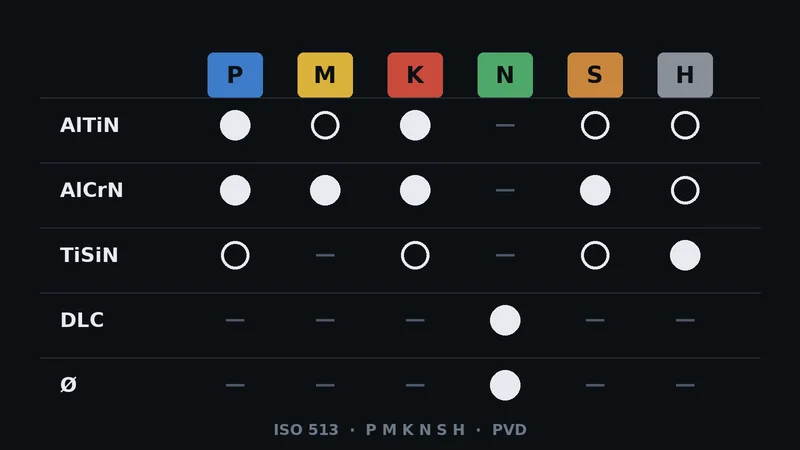
Geppetto's internal coolant carbide drill series are D32 (3xD), D52 (5xD) and D82 (8xD), covering Ø3 – Ø20 with two flutes and AlTiN coating. For small diameters, the DT50 (5xD) and DT80 (8xD) series cover Ø1 – Ø2.9. If your machine has no through-spindle coolant, the externally cooled D30 (3xD) and D50 (5xD) series are an alternative. See all series on our products page.
The right strategy for deep holes (8xD)
- First drill a pilot hole about 1.5–2xD deep with a short, rigid drill of the same or a very slightly larger diameter.
- Feed the long drill into the pilot hole at low speed with coolant on; switch to full speed and feed when the tip approaches the bottom of the pilot hole.
- Drill the hole in one pass if possible. With internal coolant, pecking is often unnecessary; in materials that cause chip problems, short retracts can help.
- When the hole is finished, reduce the speed and retract the tool.
Coolant: pressure, filtration and concentration
The benefit of internal coolant depends on the fluid reaching the tip with enough pressure and flow. The deeper the hole and the smaller the diameter, the more pressure is needed; compare the drill catalogue's recommendations with your machine's pump capacity. The fluid should be well filtered so the small channels do not clog, and the emulsion concentration should be checked regularly. Low concentration weakens both lubrication and corrosion protection.
Calculating cutting data
Spindle speed (n) and feed rate (vf) are calculated with n = (Vc × 1000) / (π × D) and vf = n × f, where Vc is the cutting speed (m/min), D the drill diameter (mm) and f the feed per revolution (mm/rev).
Example: for a Ø8 mm drill with Vc = 80 m/min and f = 0.15 mm/rev, n ≈ 3183 rpm and vf ≈ 477 mm/min. These figures only illustrate the calculation; take starting values from the catalogue for your material group, then adjust for your machine, clamping and coolant conditions. For a quick result, use our speed and feed calculator.
Tool holder and runout
Carbide drills are sensitive to runout. Runout makes one cutting edge carry more load, enlarges the hole diameter and causes premature wear. Hydraulic or shrink-fit holders or high-quality collet systems should be used, and the holder and spindle taper should be kept clean. The effect of runout is even greater on long drills.
Signs of wear and regrinding
Running a drill until it is completely dull harms both hole quality and the amount of material that has to be removed at regrinding. These signs show it is time to regrind:
- A change in cutting sound and higher spindle load
- Deteriorating hole diameter or surface finish, more burrs
- Visible wear on the corners or the margins
- Micro-chipping at the point
A drill reground on time loses less material, so it can be reground more times. Professional regrinding restores the point geometry and, if needed, the tool is recoated. Learn more about our regrinding service.
Conclusion
The right L/D ratio, sufficient coolant pressure, low runout and cutting data suited to the material determine how much you get out of an internal coolant carbide drill. To choose the right drill for your application or get technical support, contact us: phone +90 216 394 41 10, WhatsApp +90 537 777 96 44, email info@geppetto-tr.com.